

This week asked; how is time structured?
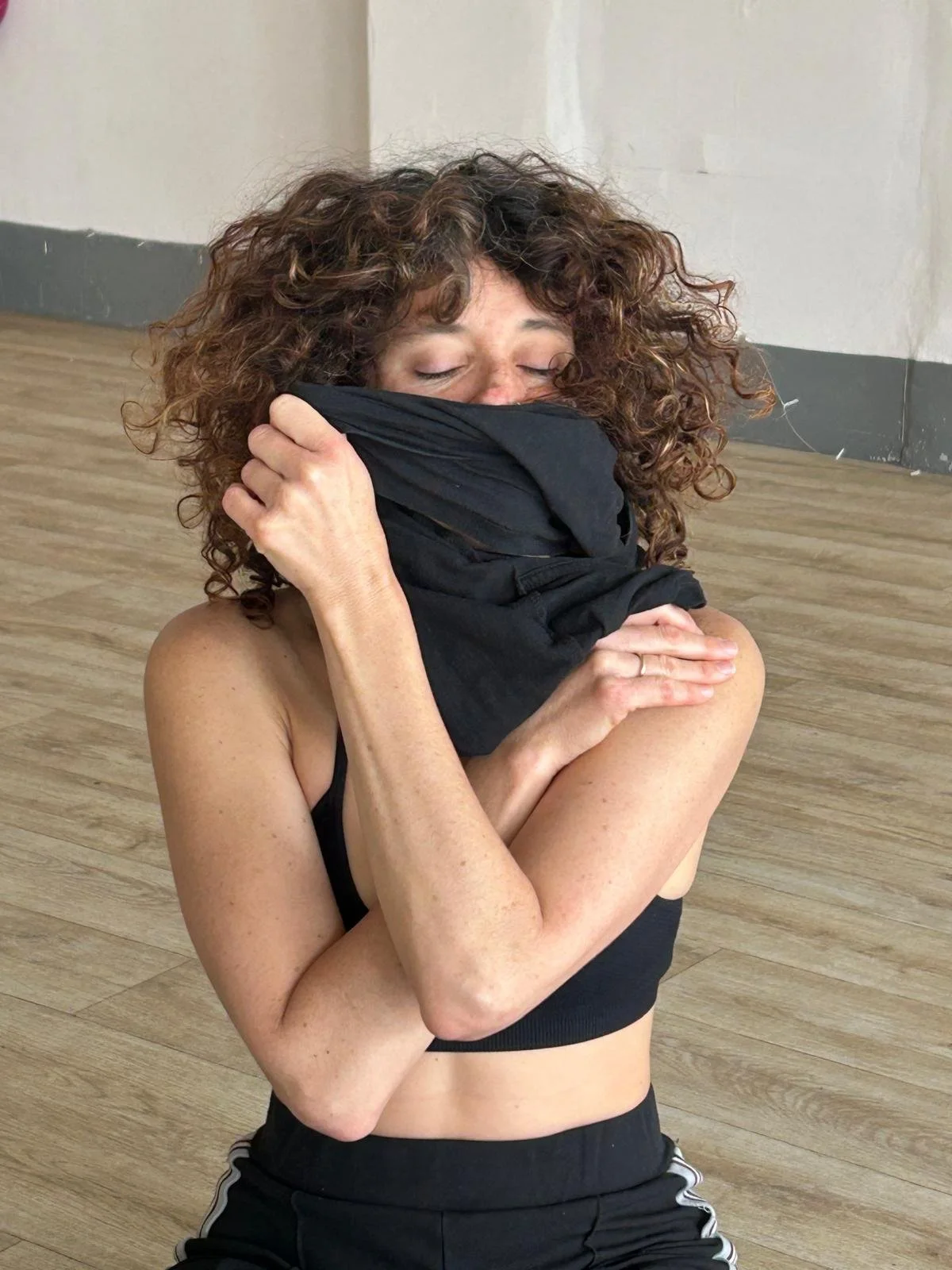
Timing is everything.
Next time.
If not now, when?
Things take time.
Doing time.
Day by day…
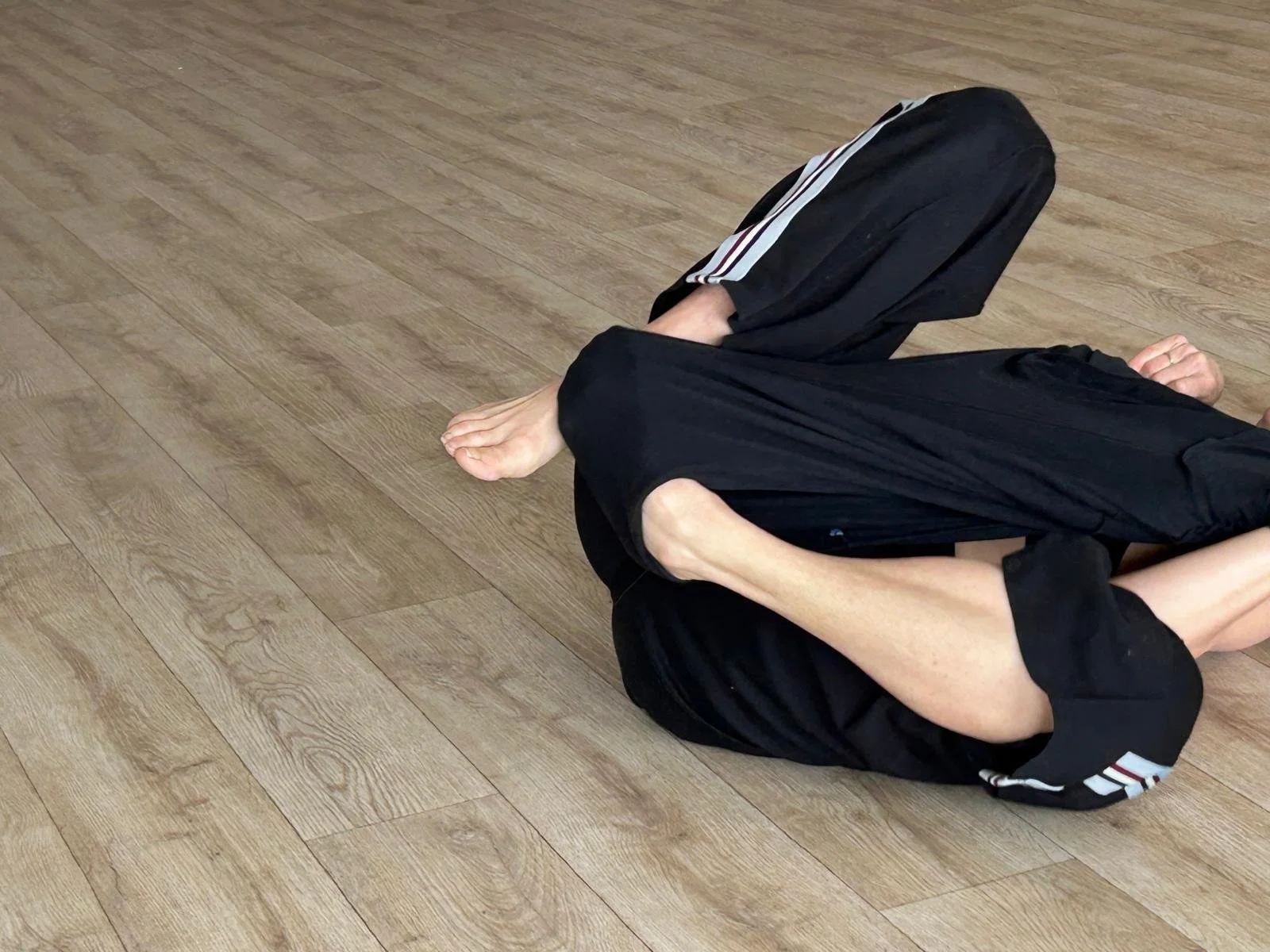
The concept of time is really mind-boggling. How deeply embedded the concept of time as a technology rather than a fundamental part of the Universe is within us, and how difficult it is to detangle ourselves from the linear measurements of time.
Dancing time, bath time, gardening time, dinnertime, tides, sunset, sunrise, Deaf time, ADHD time, grief time, Aboriginal time, vertical time, processing time, hallucinating time, wasting time, puberty time, fertility time, ancestral time, crip time, dementia time, stunned time.
On our second day, I shared a couple of essays about Crip Time with Jo and Angharad.
Octopus Time, David Borkenhagen, 20 April 2023, Aeon.
The Physics of Crip Time and imagining a better Time, Anna Starkey, 23 January 2024, Fevered Sleep.
Octopus Time asks how the liquid motion of the octopus can radicalise our ideas about time?
Starkey points out that time is a human construct and from a physics point of view, time doesn’t exist. And who gets to say what is fast and what is slow?
Reading these articles produced robust discussion about how we perceive time, how we would like to disrupt it, how it can change the way we dance and create. We created some movement scores for ourselves and for the community class we had on Wednesday morning. We also referred to the Liquid Body, a holistic somatic practice by Brazilian dance artist, Bruno Caverna. Our ability to hold our breath and how flow/fluid principles can shift our perception of time.
Some movement qualities inspired by the Octopus:
Multidirectional
Fluid and free
360-degree vision
3 hearts
Malleable body, no bones
Camouflage, hiding in holes
Splaying, collapsing, swaying
Time moving through us
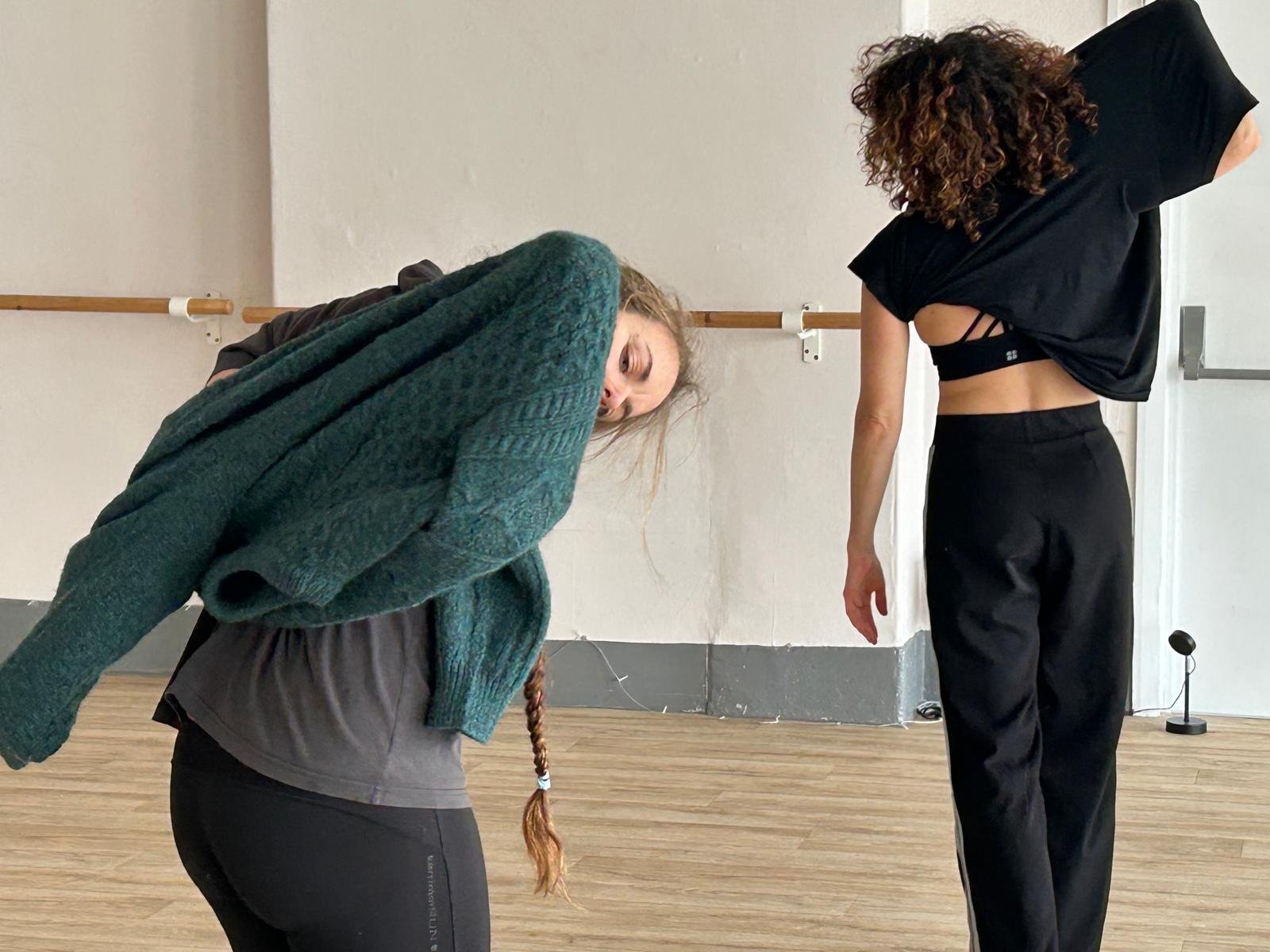
We experimented with how slowly we can take an item of clothing off. Playing with pendulum time as an organic weight, the weight of our limbs swinging. Dancing the rhythms of our ancestors.
Some questions that came up during the week:
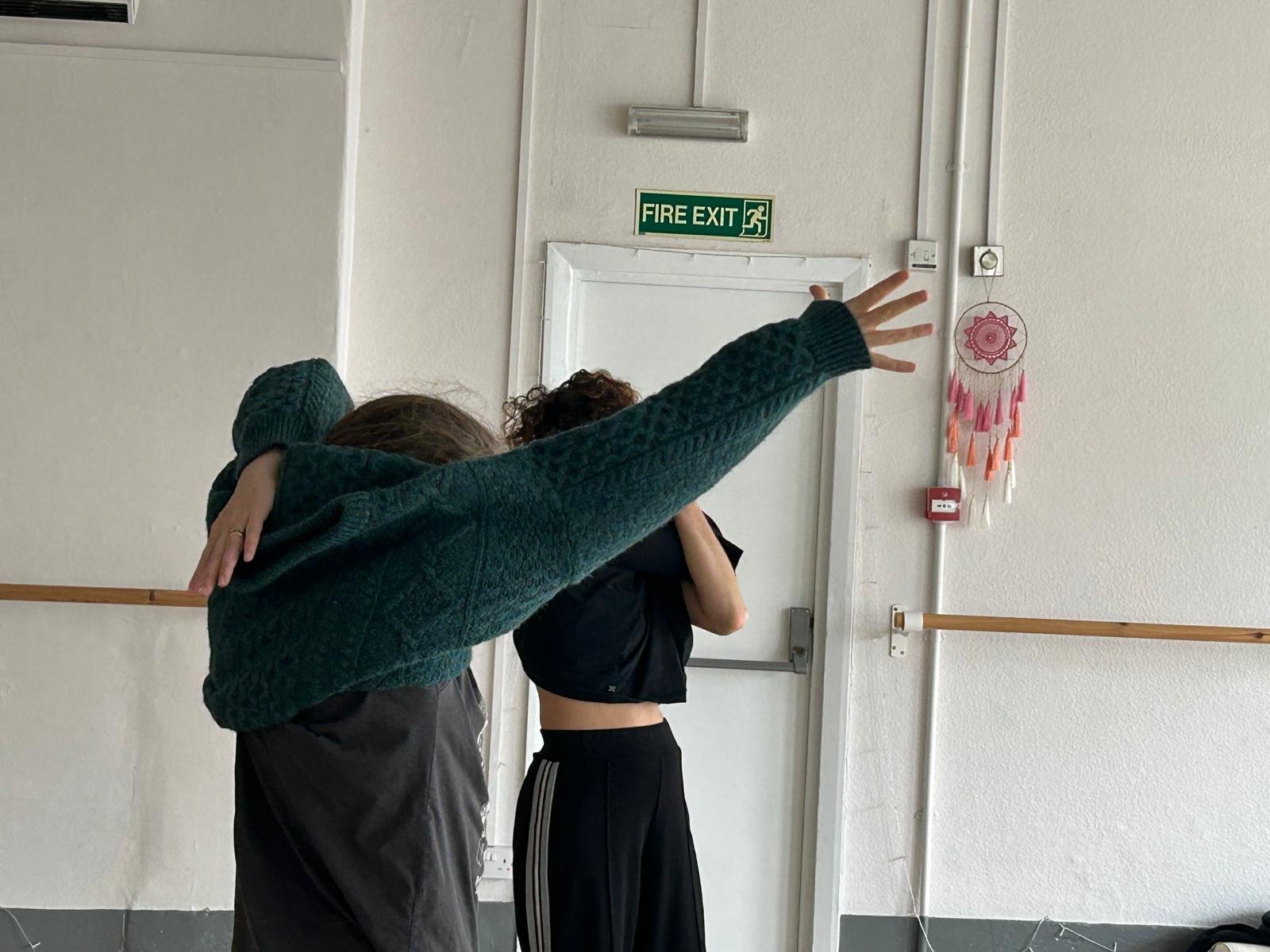
How can we think about circular time even though my brain is repelling it?
Is our sense of time connected to our sense of gravity? Sense of direction?
How can we experience experiential shifts in concepts of time?
How can we move away from west/colonial time?
What can Aboriginal Australia teach us about time?
What can death and what happens after we die teach us about time?
As Jo says, “It is the artist's job to disrupt linear time.”
There is so much that we don’t know.